DEAC Presentation
Learning Arabic in Egypt
Egypt is a fundamental and essential stop on the journey of anyone studying Arabic. It is a country rich in culture and history, with a profound influence throughout the region. The modern era has seen the emergence of great writers, great thinkers, great voices, and, more broadly, great men who have exerted a decisive influence on the entire Arab world.
In this leading nation of the Arab world, the language is lived and practiced every day. Studying Arabic in Cairo means experiencing an intense, round-the-clock cultural and linguistic immersion. The city offers an unparalleled Arab cultural scene: conferences, exhibitions, concerts, shows, ballets, films, plays, and more. Often, these activities are even free. You’ll have no choice but to speak it every day in real-life situations, allowing you to gradually transition from being a student to a speaker!
Who are we?
Founded in 1982 by the Ministry of Foreign Affairs, the Department of Contemporary Arabic Studies (DEAC) plays a key role in the academic journey of students of Arabic. The institution was originally established to train diplomats and specialists in Egypt and the Arab world. Today, after nearly half a century of existence, it is firmly established in the French academic landscape and even extends its influence beyond France’s borders.
Each year, the DEAC welcomes more than 200 students from over thirty French and international universities, including the Institutes of Political Studies, Paris 1 Panthéon-Sorbonne University, Sorbonne University-Paris IV, the University of Strasbourg, EHESS, EPHE, ESSEC, the University of Tours, the University of Toulon, the University of Aix-Marseille, the University of Clermont Auvergne, the Catholic Institute of Paris, INALCO, Jean Moulin University Lyon 3, the ENS in Lyon, and the ENS in Ulm.
From abroad, the student body included students from the Netherlands (Leiden University), Belgium (Ghent University), Switzerland (University of Geneva and University of Lausanne), Canada (McGill University and University of Montreal), Germany (University of Freiburg), and the United Kingdom (University of London, School of Oriental and African Studies; SOAS). As is the case with the latter university, several French and foreign institutions have signed agreements with the DEAC, thereby allowing their students to benefit from reduced rates for the various programs
Contact information:
Address :
1 Madrasset El Huquq El Frenseya Street,
Mounira– Cairo
Adresse de la valise diplomatique :
IFE – DEAC, Ambassade de France en Egypte,
13 rue Louveau – 92438 Chatillon Cedex
Telephone:
(+20) 2 27 91 58 41
Email address:
Our Training Programs
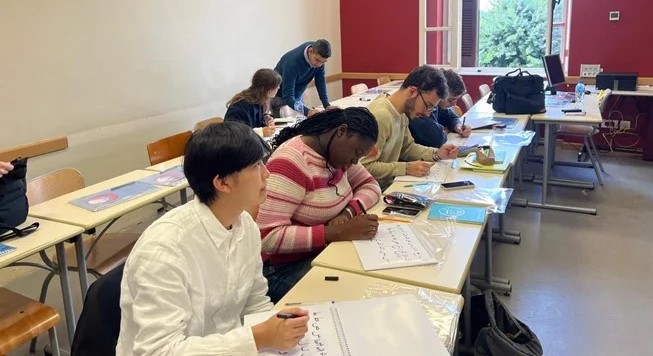
We offer comprehensive and cultural training that enables non-Arabic speakers of all levels to acquire and/or strengthen their Arabic language skills, both written and spoken. Our courses range from beginner to advanced (C1) levels.
Our program is designed for all students—whether French, European, or from other countries—who wish to learn Standard Arabic or the Egyptian dialect in an exceptional setting. Typically, enrolled students come from IEPs and various universities and are, on average, at the Master’s level. In this case, Arabic is integrated into their curriculum and serves as a valuable linguistic tool, enabling them to develop a professional plan aligned with their goals and intended career path (careers in diplomacy, culture, or research; work in NGOs and international organizations, etc.). This category of students generally opts for the annual, semester-long (1st or 2nd semester), or intensive (one month in July or August) program.
Our students come from a wide variety of backgrounds. We offer a range of customised or à la carte courses to help students achieve their personal or professional goals, such as preparation for the MEAE Arabic exams and training for diplomats and members of the French Institute in Egypt.
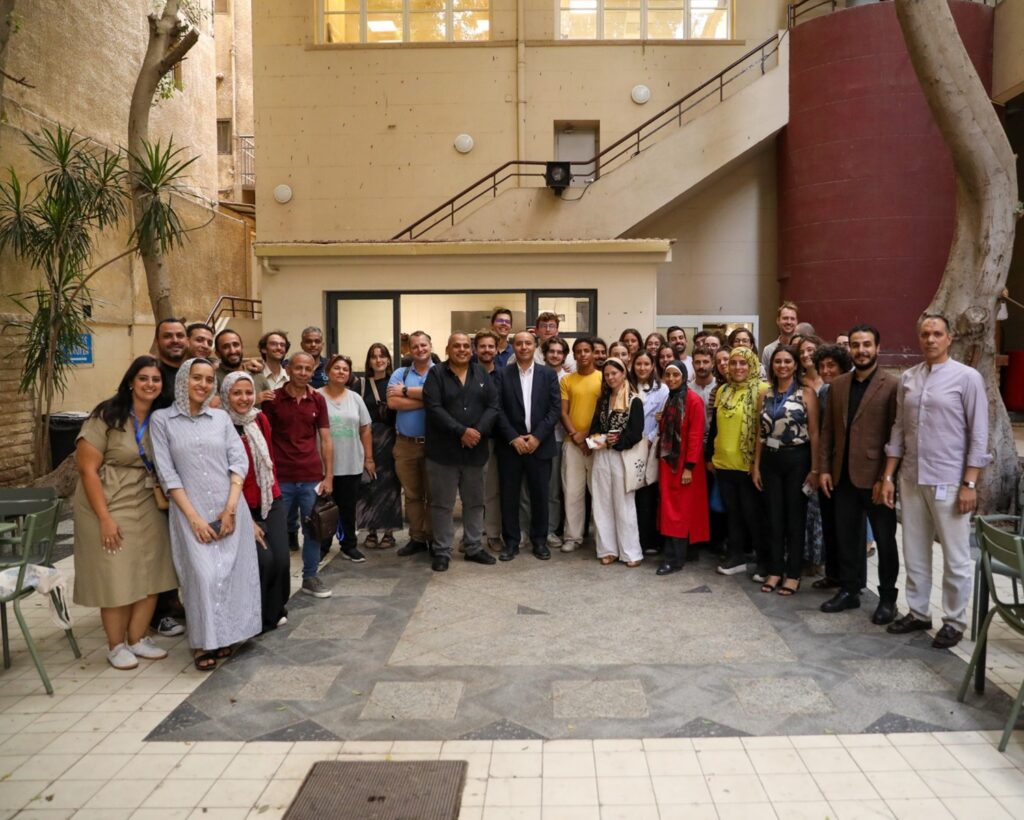
As a result, our classes are incredibly diverse in terms of nationality, age and background. The DEAC welcomes students who would never have met otherwise.
Discover our full course offerings, as well as other useful information:
New !
September Semi-Intensive Session: This session is designed exclusively to prepare absolute beginners who wish to continue their studies for a semester or the entire year.
THE LUXOR FIELD TRIP
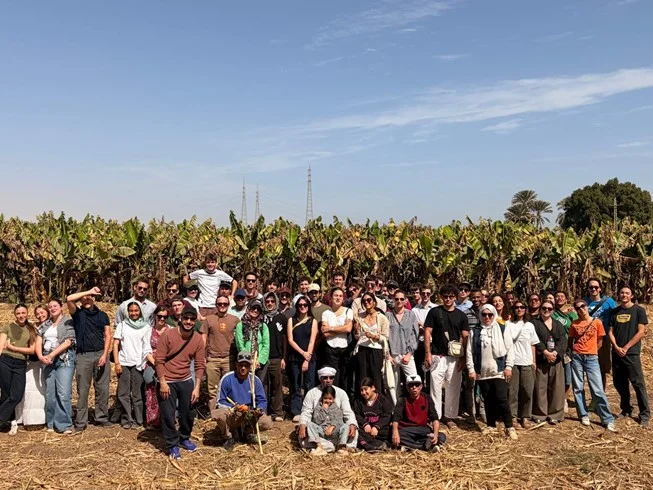
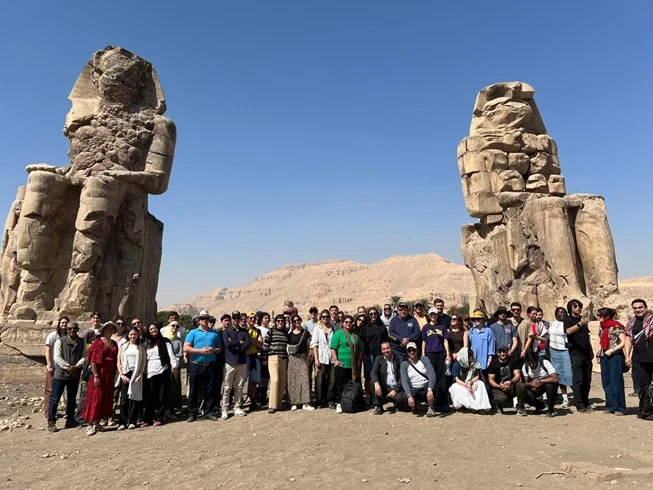
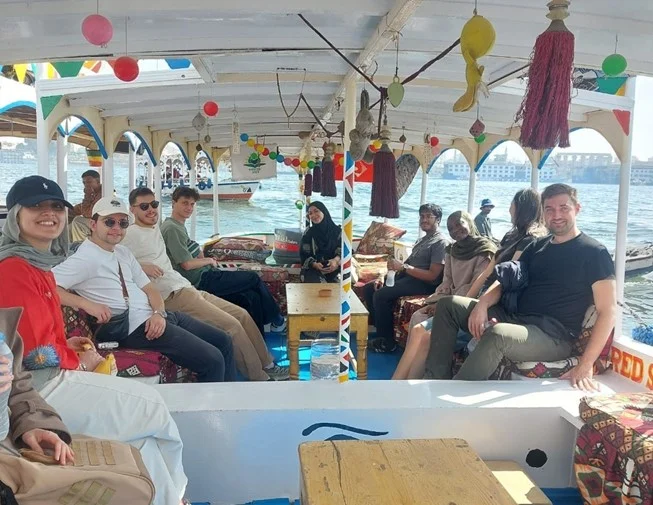
This is a highlight of the program, offering a deep linguistic and cultural immersion, and it encapsulates the essence of the training provided by the DEAC team. For one week, the class travels to Luxor in Upper Egypt for a region-focused internship, including visits to museums and archaeological sites, daily lectures on various topics led by local experts, classes with instructors, and field research conducted in a friendly and culturally stimulating atmosphere. This Egyptian dialect course is exclusively reserved for students enrolled in the annual program and is funded by the DEAC.
Educational Excellence
A pleasant setting
- An ambitious curriculum, both in terms of the number of class hours offered and the diversity of modules.
- A teaching team composed of native Arabic speakers with extensive experience in teaching Arabic as a modern foreign language.
- A digital platform available to all students (where they can find all course materials as well as recordings of all texts).
- Modules assessed through both oral and written evaluations, with content aligned with the requirements of the CEFR.
- Classes consisting of 7 to 15 students.
- A one-week immersion internship in Upper Egypt in Luxor for students in the annual session.
- Although Egyptian culture and history are central to our program, we take special care to present students with content that reflects the diversity of literary and journalistic works from the Arab world as a whole. Students thus explore both space (from Mauritania to the Gulf) and time (from the pre-Islamic period to the present day
- Classes are held at the Institut français du Caire in Mounira (a typical Cairo neighborhood near downtown), in fully renovated facilities.
- The classrooms are equipped with the digital technology needed for modern modern language instruction.
- Students have free access to the media library and its collections.
- There is an on-site dining service, allowing students to eat their meals within the Institute’s premises, at a discounted rate to boot.
A Dynamic Department
A Day-to-Day Support
The DEAC is an integral part of the French Institute of Egypt, which organizes numerous cultural, scientific, artistic, and other activities. These activities are open to DEAC students, who receive a weekly list of events they can attend at the IFE. This provides students with an exceptionally rich selection of offerings, which are generally available in three languages: French, Arabic, and English.
Within the IFE, a French department offers language courses to Egyptians. Our two departments organize and facilitate regular meetings on various topics, a program called “Tandems” that allows students to immerse themselves in Egyptian society and practice the language in a different way.
The DEAC provides financial support, under certain conditions, for student projects as long as they are focused on Egyptian society and require the use of the Arabic language (exhibitions, documentary filmmaking, etc.).
- The DEAC provides assistance with the process of obtaining a residence permit for students enrolled in the annual and semester programs.
- All enrolled students receive a comprehensive settlement guide, updated annually, via email. This guide helps students prepare for their arrival in Cairo with peace of mind and facilitates their settlement.
- Contacts to assist students with finding housing are also sent to them upon confirmation of enrollment.
- Academic support and precise targeting of personal or professional needs related to learning Arabic. This includes private lessons and customized courses.
- Special attention is given to the safety of students, in accordance with the guidelines of the French Embassy in Egypt.
Frequently Asked Questions
The DEAC is located on the premises of the French Institute of Egypt in Mounira, an authentic Cairo neighbourhood close to the historic city centre.
Upon arrival at Cairo Airport, you can obtain a tourist visa for approximately 25 USD. This visa is valid for one month, to which an additional fifteen days are automatically added. It will therefore be valid for six weeks in total. The counter is located on the right after the baggage carousels and just before the passport control line.
For the intensive session, there is no need to obtain a residence permit or residency status. However, for the annual or semester-long session, the DEAC will assist you with the various steps required to obtain your residency status.
Obtaining residency status costs approximately 150 euros. You will pay in Egyptian pounds, but you MUST present a receipt from a bank or currency exchange office in Egypt certifying that you exchanged the visa fee amount into foreign currency (EUR or USD) within 15 days prior to your visa appointment (you must therefore keep euros or dollars on hand).
No, you don’t have to be a French speaker to study at DEAC. All courses are taught entirely in Arabic.
The DEAC offers instruction tailored to all levels of learners. Therefore, it is not necessary to have a basic knowledge of Arabic to enroll in the DEAC.
We welcome:
- Complete beginners (Level A0, with no prior knowledge of the language),
- Complete beginners (CEFR Level A1),
- False beginners (CEFR Level A2),
- Intermediate learners (CEFR Levels B1/B2),
- Advanced learners (CEFR Level C1).
Within the groups formed after placement tests, several criteria are used to carefully group students, further subdivide proficiency levels, and meet learners’ linguistic and educational expectations as closely as possible.
Students have classes five days a week, from Sunday through Thursday, for about six hours a day, scheduled as follows:
- 8:30 a.m. to 10:30 a.m.
- 11:00 AM to 1:00 PM
- Lunch break from 1:00 PM to 2:00 PM
- 2:00 PM to 4:00 PM
Elective courses and tutoring begin at 4:30 PM
No additional fees are required; the tuition fee already includes all necessary educational materials.
Payment is made by bank transfer to the DEAC account, which is a French bank account, meaning the transaction is conducted in euros.
No, the DEAC does not award a degree. However, you will receive a transcript and a certificate of attendance (provided you attend all classes throughout the program).
The DEAC does not issue a language certificate. However, your transcript will indicate the content of the course (subjects and number of hours) as well as the language level corresponding to the CERCL levels. Please note that the only institution that issues Arabic language certificates is the Arab World Institute.
You should allow time for finding an apartment and settling in, which varies but, on average, takes between 10 and 15 days. This is why you should plan to arrive in Cairo a few days before the start of the program. This will allow you to find a place more quickly and use the remaining time before the placement tests to acclimate, explore Cairo, or travel around the country.
For the first few days, we recommend staying in budget hotels, preferably in the city center and especially those frequented by students, which will allow you to meet people who, like you, are settling in Egypt.
The most popular options are: Dahab Hostel, Paradise Inn Hostel, Pension Roma, and Hotel Osiris.
For information on transportation, sports, and other cultural activities, you’ll find all the answers in our orientation guide, which will be sent to you once your registration is confirmed.
The DEAC does not assist with the apartment search process. However, we provide you with useful contacts in a list attached to the orientation guide upon your registration. The guide contains valuable information on finding housing, leases, and precautions to take. Additionally, we put you in touch with outgoing students so you may potentially take over their apartments.
You must purchase specific health insurance for use abroad (including repatriation coverage) and liability insurance. You will need to provide a copy of these policies to the DEAC administration upon your arrival.
For all these questions, please consult our orientation guide, which will be sent to you once your registration is confirmed
Activities at the DEAC
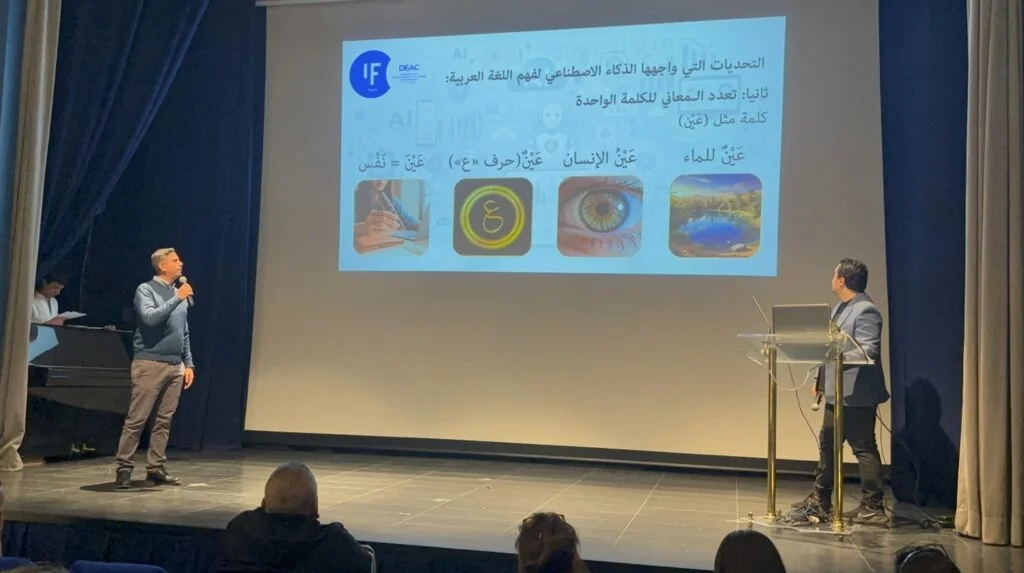
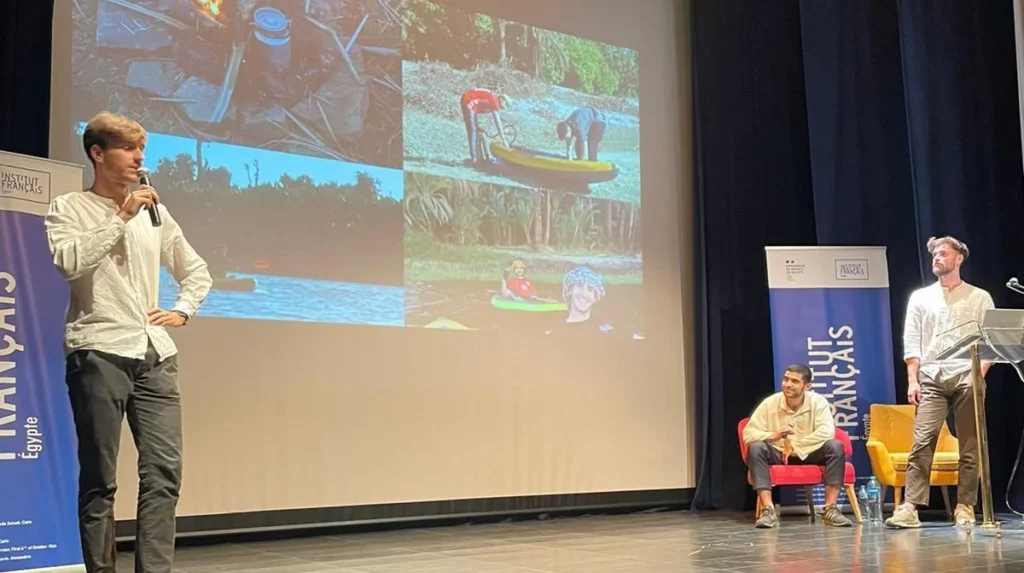
Throughout the year, the DEAC organizes community-building activities that foster exchange, knowledge transfer, and collaboration. These activities take various forms and span several fields:
Study and Research
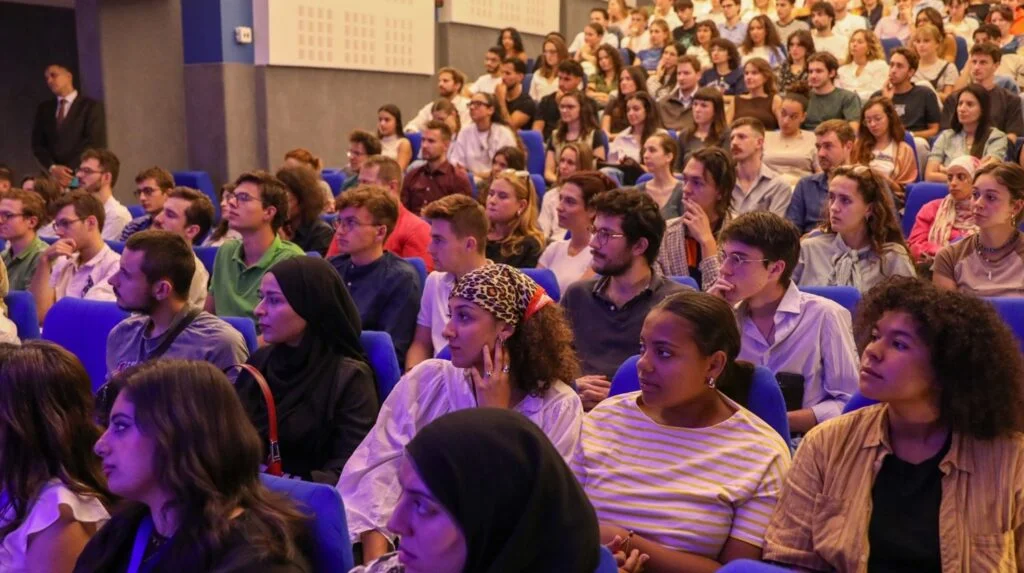
Thanks to strong ties with the French Institutes for Research Abroad (IFRE) in Cairo (IFAO and CEDEJ), DEAC students have the opportunity to explore the humanities and social sciences, archaeology, the arts, and literature. These institutes, along with other institutions in Cairo such as IDEO, house libraries renowned worldwide for the richness of their collections. DEAC students have the opportunity to conduct research there, attend lectures, or participate in conferences related to their fields of study, depending on their availability. This is an excellent way to learn about humanities and social science issues concerning Egypt and the Arab world, and it’s all conducted in French, Arabic, and English!
Opportunities to Build a Career
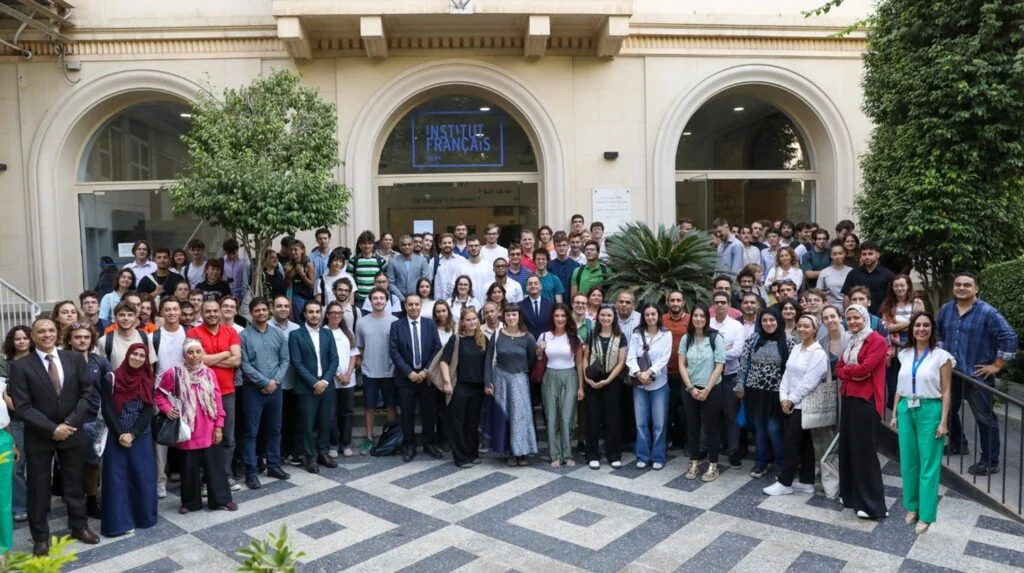
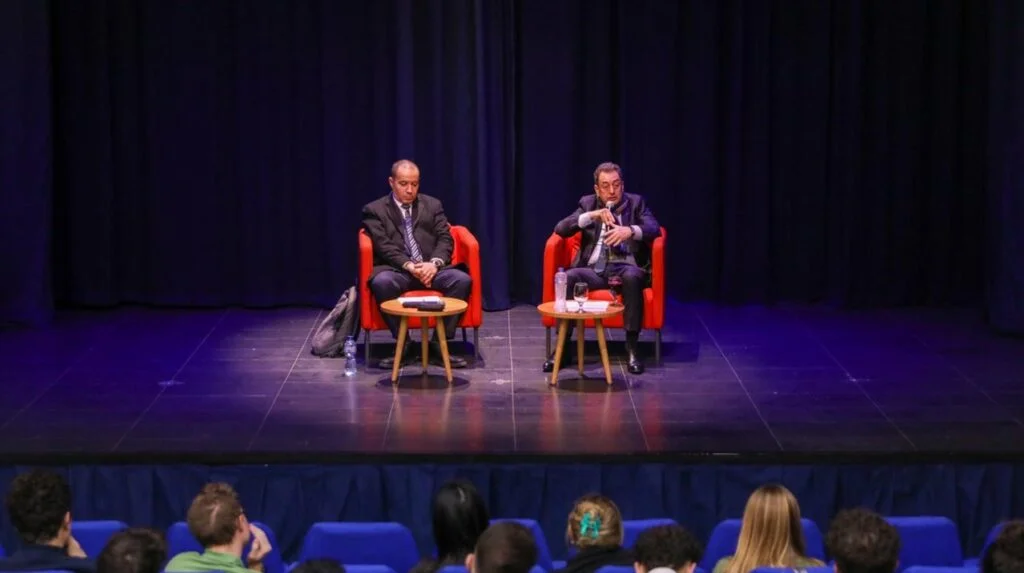
Thanks to its alumni network, the DEAC also serves as a hub where synergies are created around professional projects. Meetings with the Ambassador regarding diplomatic career paths are regularly organized. Information, advice, and discussions on these topics thus provide students with unique insights into professional experiences, help them chart their own paths, and pave the way for the careers that await them.
Language and Cultural Activities
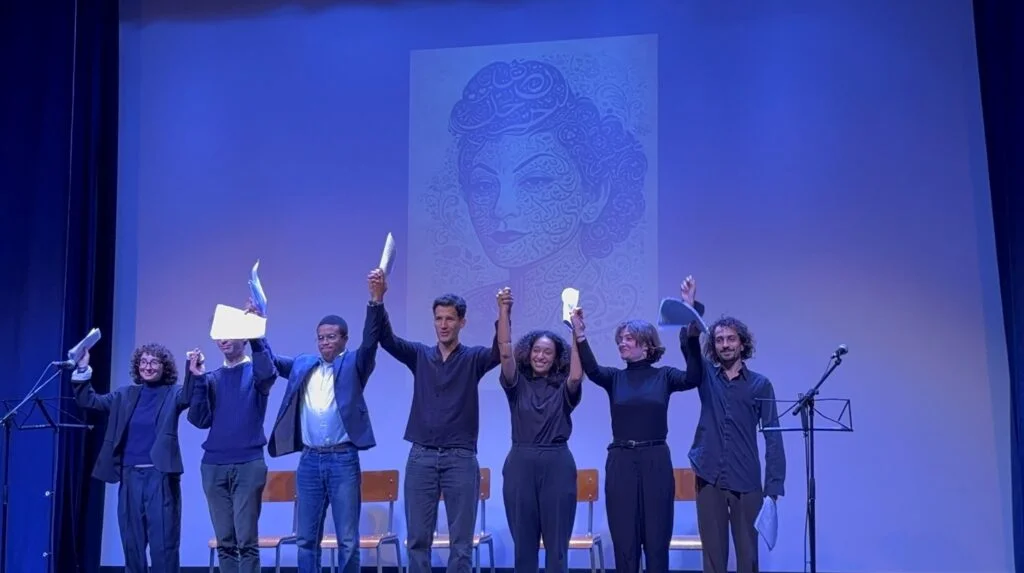
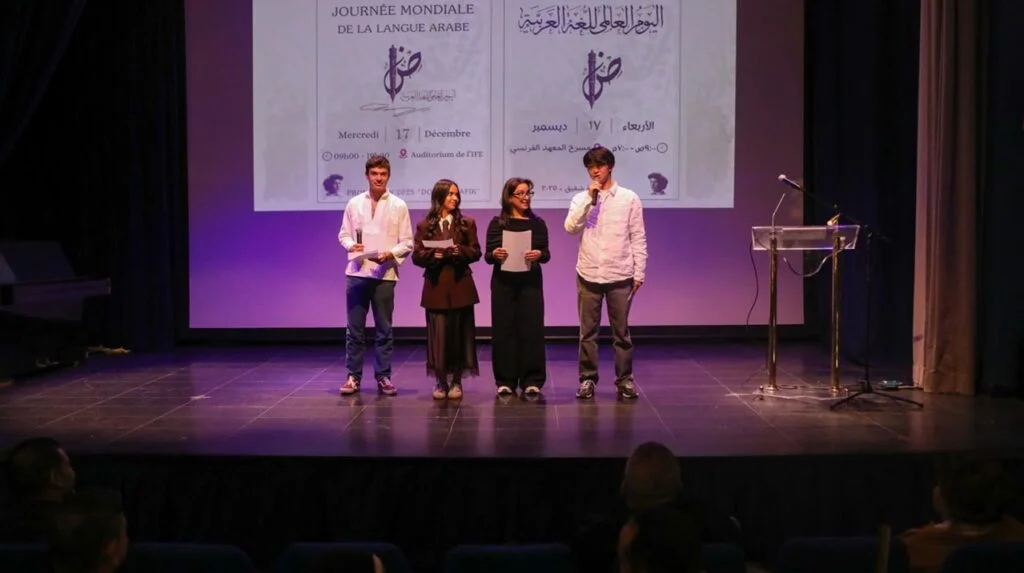
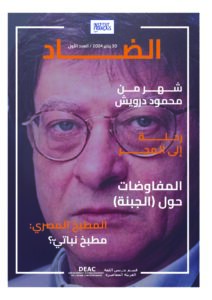
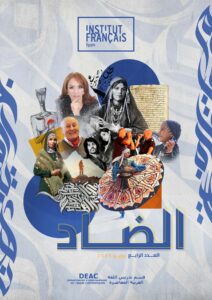
The DEAC organizes language and cultural activities on an almost monthly basis, such as the presentation of a play in Arabic, a visit to the Cairo Book Fair, the celebration of World Arabic Language Day, and meetings between French and Egyptian students as part of the Tandems program, an Iftar during Ramadan, and the publication of two issues per year of the magazine Dâd, led by the DEAC and written entirely in Arabic by its students.
The DEAC Magazine
The DEAC magazine is published twice a year and is written and designed by the students.
N°1
N°4
N°2
N°5
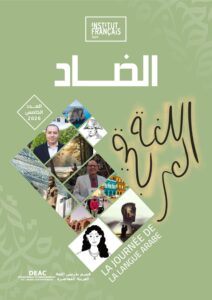
N°3
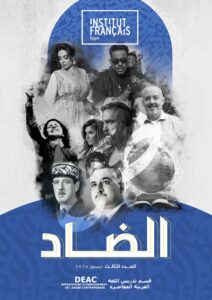
N°6
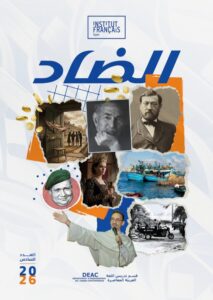
Sports and Artistic Activities
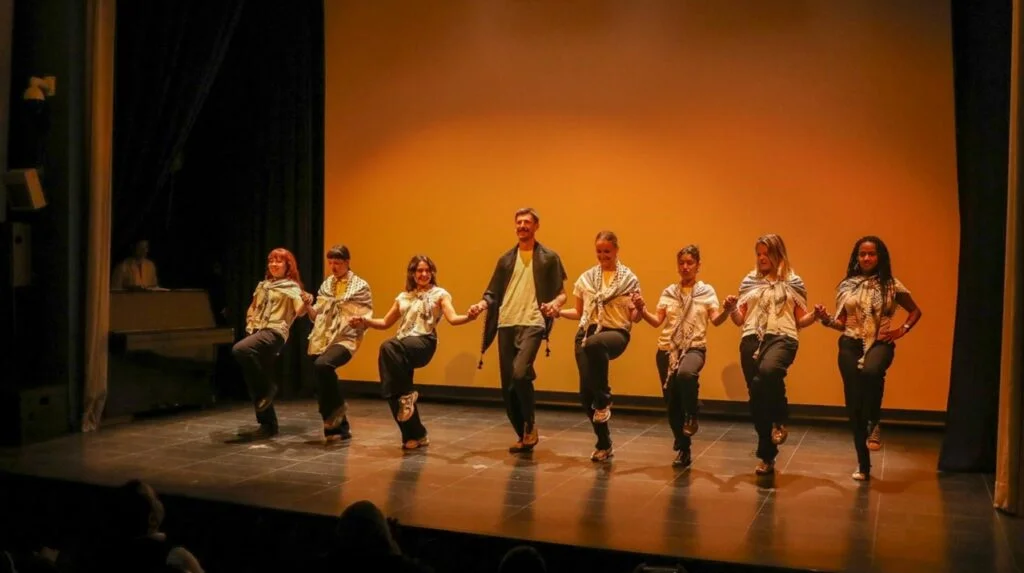
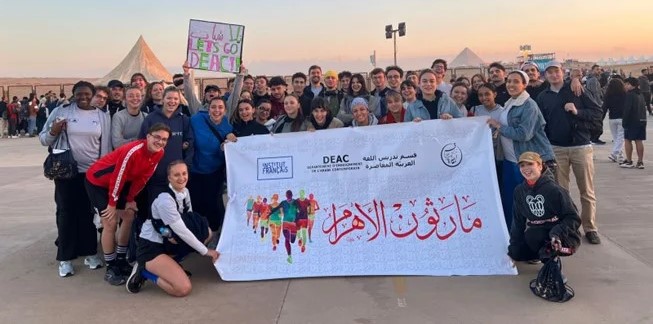
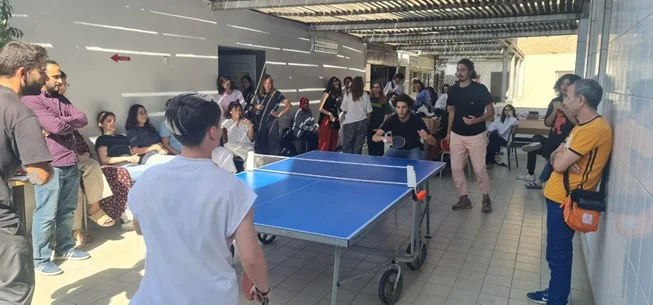
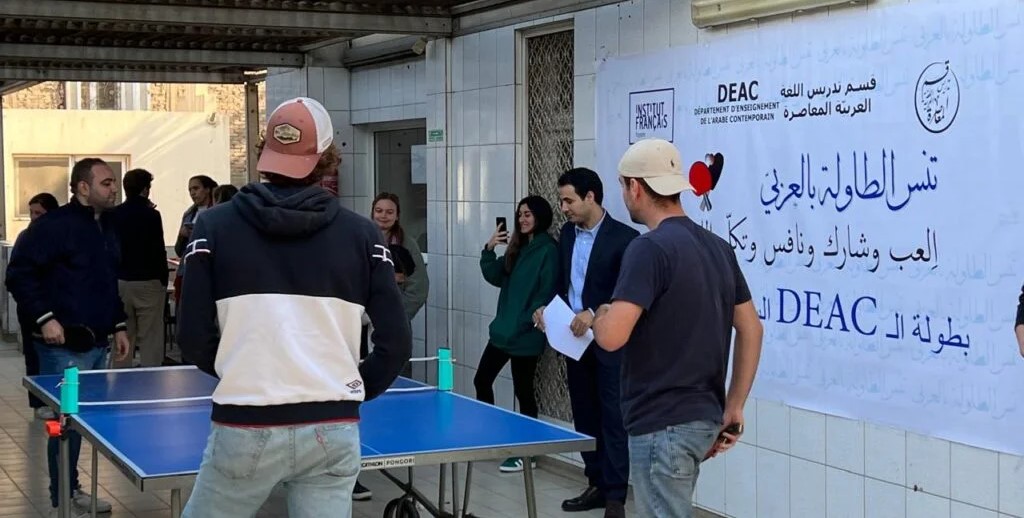
Numerous tournaments (in Ping-Pong, soccer, or rugby) as well as participation in the Pyramids Half-Marathon liven up the atmosphere with friendly competitions, which also provide an opportunity to practice Arabic. During celebrations, students present dance (dabkè) and music performances, the result of classes and workshops organized throughout the year!
Social Events
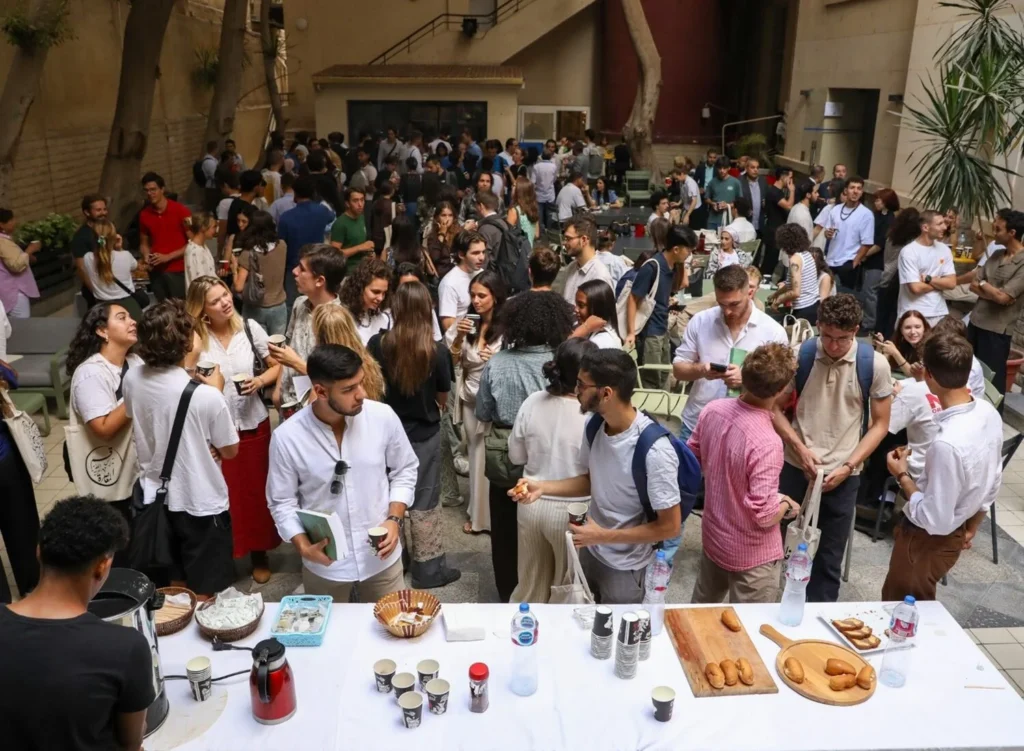
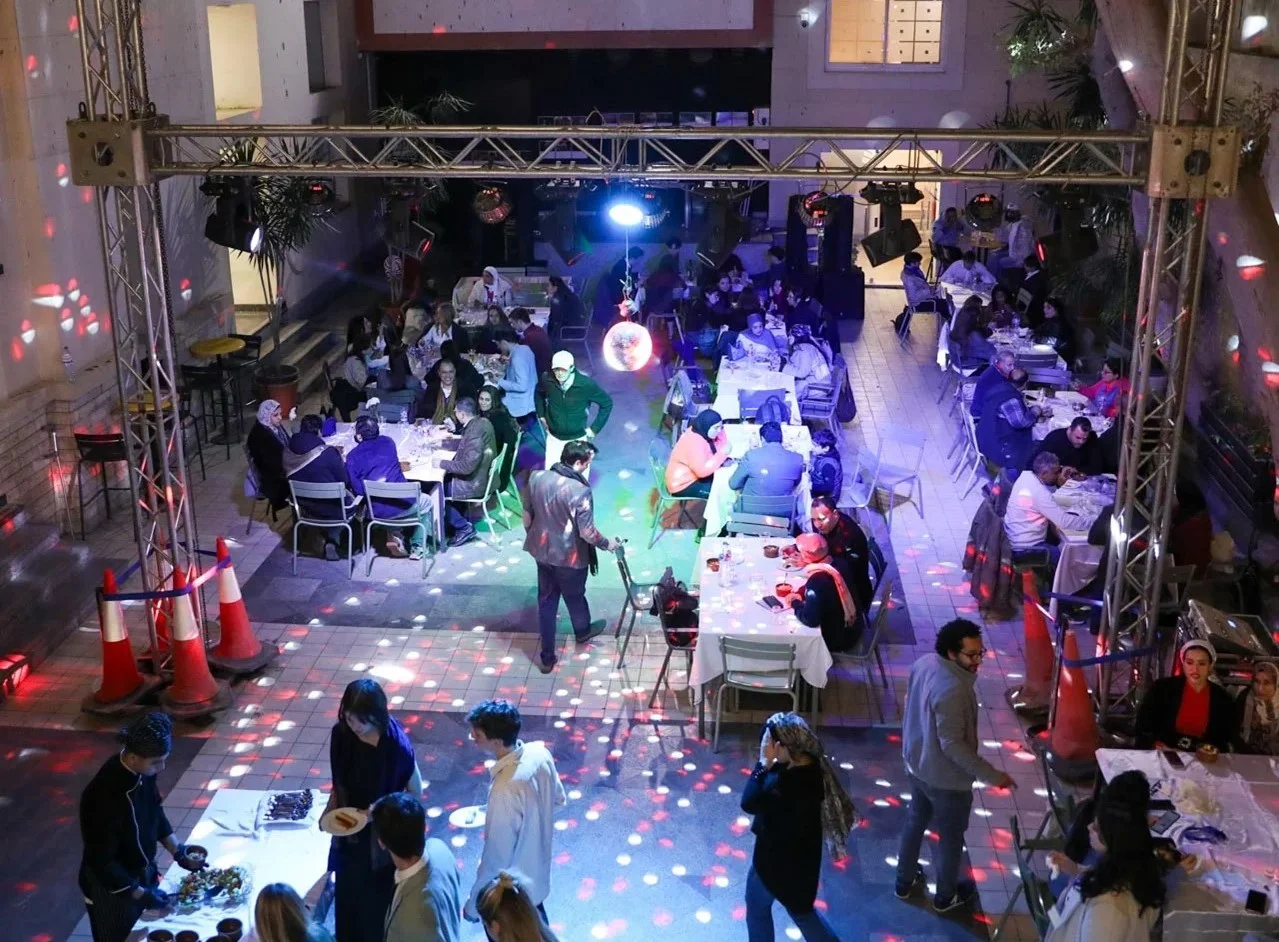
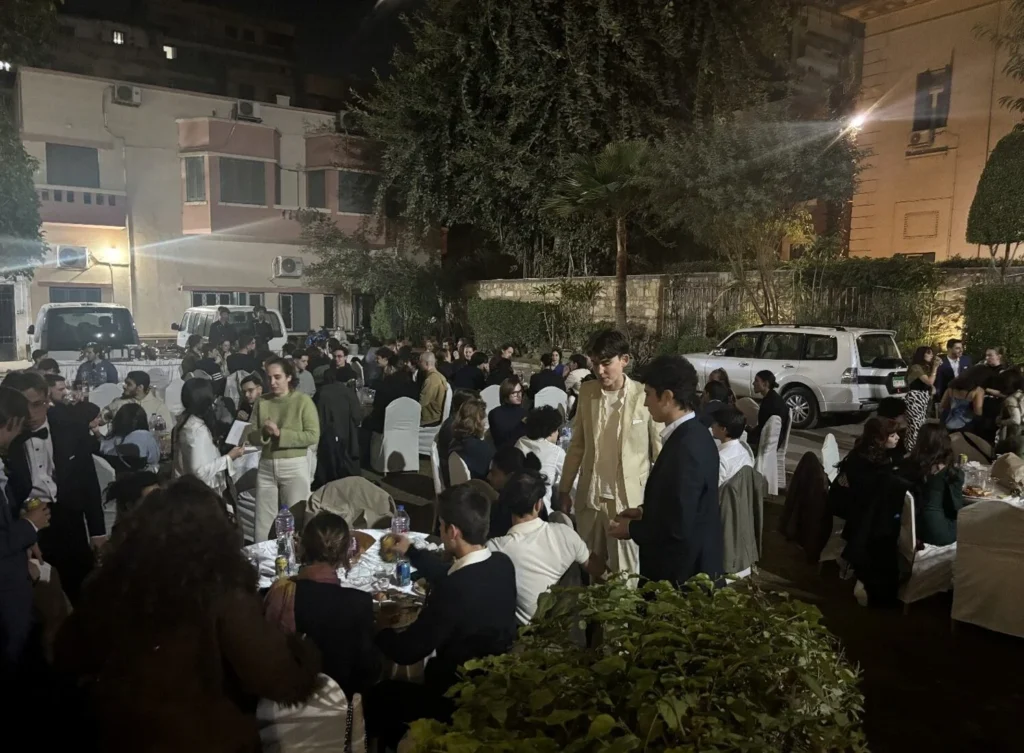
At the beginning and end of each program (semester-long courses, intensive workshops, etc.) , the DEAC organizes a welcome reception or a closing party with the participating students. A gala is held in June to celebrate the end of the academic year, while a Dish Party, usually held in January, gives everyone a chance to showcase their culinary talents!